
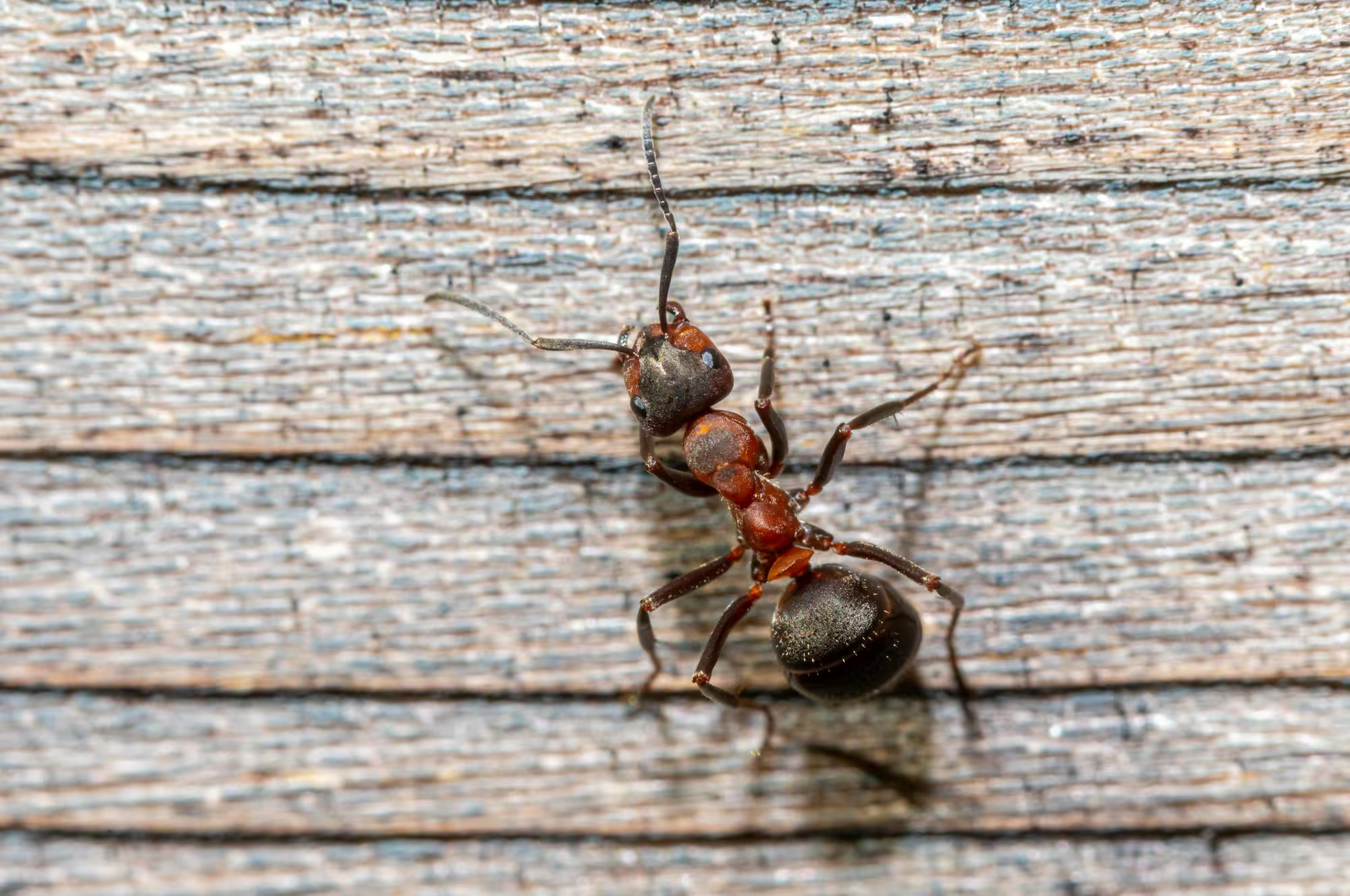
Dealing with ants that repeatedly invade your home can be one of the most frustrating pest control challenges homeowners face. If you’ve tried multiple methods to eliminate these persistent insects only to see them return days or weeks later, you’re not alone. Learning how to get rid of ants that keep coming back requires understanding their behavior, identifying the root causes of recurring infestations, and implementing comprehensive strategies that go beyond surface-level treatments.
The key to permanently solving your ant problem lies in recognizing that these social insects operate as colonies with complex communication systems and survival strategies. Simply killing the ants you see won’t address the underlying colony structure or the conditions that continue to attract them to your property. Successful ant control requires a multi-pronged approach that targets the entire colony, eliminates attractants, and creates long-lasting barriers to prevent future invasions.
Why Do Ants Keep Coming Back to Your Home?
Understanding the reasons behind recurring ant infestations is essential for developing effective long-term solutions. Ants are remarkably resilient creatures that return to previously successful foraging areas through sophisticated chemical communication systems and survival instincts honed over millions of years of evolution.
Pheromone Trails and Chemical Communication The primary reason ants keep returning involves their use of pheromone trails. When scout ants discover food sources in your home, they lay down invisible chemical trails that guide other colony members directly to the location. These pheromone markers can persist for weeks or even months after the initial discovery, continuing to attract ants long after you think the problem has been resolved.
Even thorough cleaning with standard household products rarely eliminates these chemical highways completely. Ants can detect pheromone concentrations at incredibly low levels, making it possible for them to follow faint trails that seem completely eliminated to human senses.
Colony Structure and Survival Mechanisms Most homeowners only see worker ants foraging for food, representing just a small fraction of the total colony population. The queen and reproductive members remain safely hidden in the nest, continuously producing new workers to replace those lost to control efforts. Unless treatments reach the colony’s core, the infestation source remains intact and capable of generating new waves of invading ants.
Additionally, many ant species practice “budding,” where new colonies split off from established ones when conditions become unfavorable. Stress from pest control treatments can actually trigger this survival mechanism, potentially creating multiple smaller colonies that continue the infestation cycle.
Environmental Factors and Seasonal Patterns Recurring ant problems often correlate with environmental conditions that consistently favor ant activity. Changes in weather, moisture levels, and food availability drive ants to seek resources indoors repeatedly. Understanding these patterns helps explain why ants seem to disappear temporarily only to return with renewed vigor.
What Attracts Ants to Keep Coming Back?
Identifying and eliminating the specific attractants that draw ants to your home repeatedly is crucial for breaking the infestation cycle. Ants are opportunistic foragers that will continue returning to locations where they’ve previously found resources or suitable conditions.
Food Sources and Feeding Opportunities Consistent food availability represents the strongest attractant for recurring ant invasions. Even microscopic food particles provide sufficient nutrition for scout ants to justify establishing foraging routes to your home. Common attractants include pet food left in bowls, crumbs in hard-to-reach areas, sticky residues on surfaces, and improperly sealed food containers.
Sweet substances particularly attract many ant species, including sugar spills, fruit juice residues, and honey or syrup containers with external contamination. Protein sources like pet food, grease buildup, and food scraps also draw ants seeking diverse nutritional requirements for their colonies.
Moisture and Water Sources Water availability often determines whether ants establish permanent foraging routes to specific locations. Leaky pipes, condensation around appliances, pet water bowls, and areas with poor drainage create the moisture conditions ants need for survival.
During dry seasons, indoor water sources become even more critical attractants, explaining why ant problems often intensify during summer months when outdoor water becomes scarce.
Shelter and Nesting Opportunities Structural features that provide shelter or potential nesting sites encourage ants to view your property as suitable habitat rather than just a foraging location. Wall voids, spaces under appliances, cluttered storage areas, and landscaping elements near your home’s foundation offer attractive shelter options.
How Long Do Ant Infestations Last?
The duration of ant infestations varies significantly based on species, colony size, treatment methods, and environmental factors. Understanding typical timeframes helps set realistic expectations for resolution and highlights why persistent problems require comprehensive approaches.
Natural Infestation Cycles Without intervention, ant infestations can persist indefinitely as long as favorable conditions remain. Established colonies continue expanding and may exist for years, with some species’ queens living over a decade while continuously producing new workers.
Seasonal variations affect activity levels, with many species showing increased indoor activity during spring and fall when outdoor conditions become less favorable. However, the underlying infestation typically remains active year-round, even if visible ant activity decreases during certain periods.
Treatment Response Timelines Effective treatments typically show initial results within 1-2 weeks, but complete colony elimination often requires 4-8 weeks or longer. The timeline depends on how quickly baits reach the queen and reproductive members, which may be located significant distances from visible ant activity.
Professional treatments generally achieve faster results due to superior products and application expertise, while DIY efforts may require longer periods and multiple attempts to achieve complete elimination.
Factors Affecting Duration Several factors influence how long it takes to permanently resolve recurring ant problems. Colony size affects treatment complexity, with larger, more established colonies requiring longer elimination periods. Multiple colonies or species complicate treatment and extend resolution timelines.
Environmental factors like weather, moisture levels, and ongoing attractants can either support faster resolution or prolong infestation periods. Homeowner cooperation with sanitation and exclusion recommendations significantly impacts treatment success and duration.
Why Don’t Ant Traps Work Long-Term?
Many homeowners experience temporary success with ant traps only to see infestations return, leading to frustration and questions about product effectiveness. Understanding the limitations of traps helps explain why they often fail to provide permanent solutions for recurring ant problems.
Limited Colony Impact Most commercial ant traps target only foraging workers, representing a small percentage of the total colony population. While these products may reduce visible ant activity temporarily, they rarely reach the reproductive members necessary for complete colony elimination.
The queen and reproductive ants typically remain deep within the nest, protected from most DIY treatment efforts. Without eliminating these critical colony members, new workers continue being produced to replace those lost to traps, eventually restoring full infestation levels.
Bait Acceptance and Palatability Issues Ant dietary preferences change based on colony needs, seasonal factors, and available alternatives. Traps containing baits that initially attracted ants may become ignored as colonies seek different nutritional requirements or as competing food sources become available.
Additionally, many commercial baits lose effectiveness over time due to exposure to air, moisture, or temperature changes. Stale or degraded baits fail to attract ants, rendering traps ineffective regardless of their placement or quantity.
Behavioral Adaptations Some ant species exhibit behavioral adaptations that reduce trap effectiveness over time. Workers may learn to avoid trap locations where colony members have died, or they may develop alternative foraging routes that bypass treated areas entirely.
This adaptive behavior explains why traps that initially reduce ant activity may seem to lose effectiveness even when regularly replaced with fresh baits.
Professional Methods to Eliminate Persistent Ants
Professional pest control services employ advanced techniques and products that address the root causes of recurring ant infestations more effectively than DIY approaches. Understanding these methods helps homeowners make informed decisions about when to seek professional assistance.
Comprehensive Colony Treatments Professional technicians use specialized baiting systems designed to reach entire colonies, including queens and reproductive members located in hard-to-access areas. These commercial-grade baits often feature delayed-action formulations that allow workers to transport the active ingredients back to the nest before effects occur.
Advanced bait stations provide consistent attractant availability while protecting the bait from environmental degradation. Professionals monitor and refresh these systems regularly to maintain effectiveness throughout the treatment period.
Integrated Pest Management Approaches Effective professional treatments combine multiple strategies addressing different aspects of the infestation. This integrated approach includes targeted baiting, residual treatments for ant highways, exclusion recommendations, and sanitation guidance tailored to specific property conditions.
Professional technicians assess each situation individually, identifying contributing factors unique to your property and developing customized treatment plans that address these specific issues.
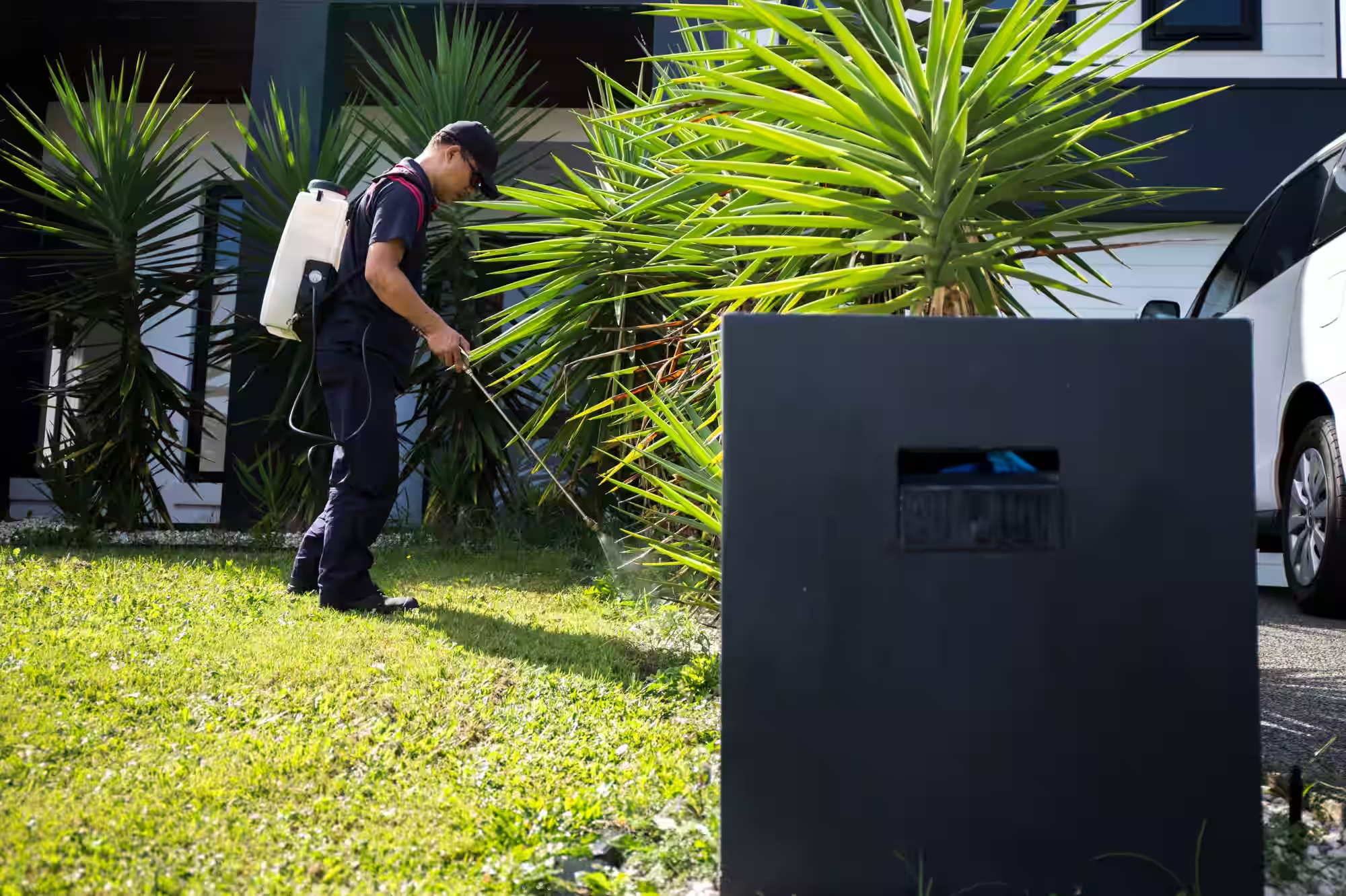
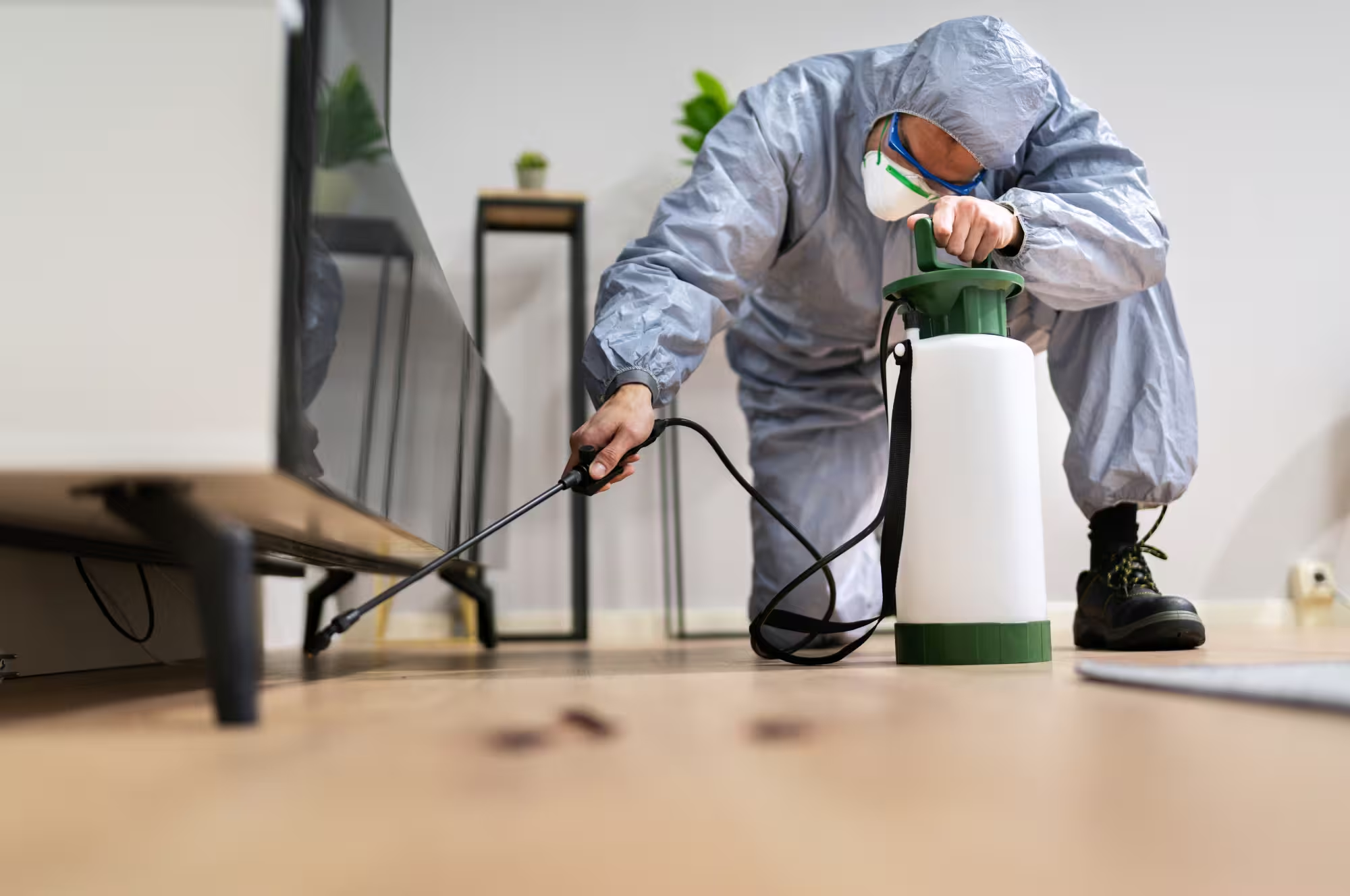
Advanced Application Techniques Professionals have access to specialized equipment and application methods that ensure treatments reach target areas effectively. Void injection systems deliver treatments directly into wall spaces where colonies may be nesting, while precision application tools place baits in optimal locations for maximum colony exposure.
These advanced techniques, combined with professional expertise in ant behavior and biology, significantly improve treatment success rates compared to DIY approaches.
Natural and DIY Solutions That Actually Work
While professional treatment often provides the most reliable results for persistent ant problems, several natural and DIY methods can contribute to effective control when implemented correctly as part of a comprehensive approach.
Diatomaceous Earth Applications Food-grade diatomaceous earth creates physical barriers that damage ant exoskeletons, leading to dehydration and death. This natural approach works best when applied as continuous barriers across ant highways and entry points.
The key to success lies in proper application technique and persistence. Light, even applications work better than heavy piles, and treatments must be reapplied after moisture exposure or disturbance.
Essential Oil Deterrents Certain essential oils disrupt ant pheromone trails and create natural repellent barriers. Peppermint, tea tree, and lemon oils show particular effectiveness when applied regularly along ant pathways and entry points.
Mix these oils with water in spray bottles for easy application, focusing on areas where ants have been observed. Consistent reapplication maintains effectiveness as the oils evaporate over time.
Borax-Based Bait Stations Homemade bait stations using borax mixed with attractive substances like sugar or peanut butter can effectively target entire colonies. The delayed-action nature of borax allows workers to share the bait with colony members before lethal effects occur.
Safety considerations are crucial when using borax, particularly in homes with children or pets. Place baits in secure locations inaccessible to non-target species while maintaining accessibility for foraging ants.
Vinegar and Cleaning Solutions Regular cleaning with vinegar solutions helps eliminate pheromone trails that guide returning ants to previously successful foraging locations. The acetic acid in vinegar neutralizes these chemical markers more effectively than standard cleaners.
Focus cleaning efforts on observed ant pathways, entry points, and areas where food contamination has occurred. Consistent application breaks the communication systems that facilitate recurring infestations.
Long-Term Prevention Strategies
Preventing future ant invasions requires ongoing attention to the environmental factors that make properties attractive to these persistent insects. Sustainable prevention focuses on eliminating attractants, blocking access routes, and maintaining conditions unfavorable to ant colonization.
Sanitation and Housekeeping Practices Consistent cleanliness removes the food sources that initially attract scout ants to your property. Regular vacuuming eliminates crumbs and food particles from hard-to-reach areas, while prompt cleanup of spills prevents the accumulation of attractive residues.
Store all food items in sealed containers, including pet food which often attracts ants when left in open bowls. Pay particular attention to areas around appliances where food particles commonly accumulate unnoticed.
Structural Modifications and Exclusion Sealing entry points prevents ants from accessing indoor areas even when attractants are present. Use caulk to seal cracks around windows, doors, and foundations, paying special attention to areas where utilities enter the home.
Install weather stripping around doors and windows to eliminate gaps that provide ant access routes. Regular inspection and maintenance of these barriers ensures continued effectiveness over time.
Landscape Management Outdoor conditions significantly influence indoor ant problems. Maintain vegetation away from your home’s foundation to reduce shelter opportunities near potential entry points. Address moisture issues around the foundation through proper grading and drainage improvements.
Remove debris piles, excess mulch, and other materials that provide ant nesting opportunities near your home. These modifications make your property less attractive for colony establishment while reducing the ant population pressure on your home’s defenses.
When to Call Professional Pest Control
Recognizing when DIY efforts are insufficient helps homeowners make timely decisions to engage professional services before problems become more severe and expensive to resolve.
Signs You Need Professional Help Multiple species or large colonies often exceed DIY control capabilities. If you observe different types of ants or see large numbers during daylight hours, the infestation likely requires professional intervention for effective resolution.
Recurring problems despite consistent DIY efforts indicate underlying issues that need professional assessment. If ants continue returning after multiple treatment attempts, professional expertise can identify contributing factors you may have missed.
Health and Safety Considerations Certain ant species pose health risks that warrant professional treatment. Fire ants, carpenter ants causing structural damage, or infestations in food preparation areas require specialized handling to ensure complete elimination and proper sanitization.
Homes with vulnerable occupants such as children, elderly individuals, or people with compromised immune systems benefit from professional treatment that ensures thorough elimination while minimizing exposure to treatment products.
Cost-Benefit Analysis Professional services often prove more cost-effective than repeated DIY attempts when considering time, materials, and potential property damage from ongoing infestations. Professional warranties and follow-up services provide additional value that DIY approaches cannot match.
The peace of mind that comes with professional treatment often justifies the investment, particularly for homeowners who have struggled with persistent ant problems despite multiple DIY attempts.
Take Control of Your Ant Problem Today
Stop letting persistent ants disrupt your peace of mind and potentially damage your property. If you’ve been struggling with recurring ant invasions despite your best efforts, it’s time to implement a comprehensive solution that addresses the root causes of your infestation.
Don’t waste more time and money on temporary fixes that only provide short-term relief. Professional pest control services can quickly identify why ants keep returning to your home and implement targeted treatments that eliminate entire colonies, not just the workers you see.
Contact a licensed pest control professional today for a thorough inspection and customized treatment plan. Many companies offer free consultations where experienced technicians can assess your specific situation and recommend the most effective approach for permanent ant elimination.
Your home should be a sanctuary, not a battleground against persistent pests. Take action now to reclaim your space and enjoy the peace of mind that comes with knowing your ant problem is truly solved for good. Professional help is just a phone call away, and most reputable services guarantee their work to ensure your complete satisfaction.